June 29, 2026 4:47 PM

Study Finds New Way to Improve Safety and Lifespan of Zinc-Ion Batteries

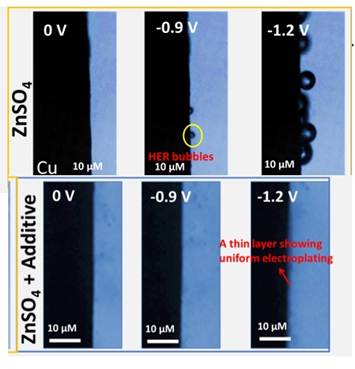
Scientists at the Institute of Nano Science and Technology (INST), Mohali, have developed a new electrolyte additive that could make aqueous zinc-ion batteries safer, longer-lasting and more affordable, offering a potential boost for large-scale renewable energy storage. The research addresses some of the key challenges that have limited the commercial adoption of aqueous zinc-ion batteries (AZIBs), including zinc dendrite formation, hydrogen evolution, corrosion and poor cycling stability. Ins...

June 18, 2026 4:53 PM

New Electrolyte Additive Could Boost Durability and Affordability of Aqueous Batteries

Scientists at the Institute of Nano Science and Technology (INST), Mohali, have developed a novel electrolyte additive that could significantly improve the performance, safety and lifespan of aqueous zinc-ion batteries (AZIBs), paving the way for more cost-effective and sustainable energy storage solutions. AZIBs are increasingly being viewed as a safer and cheaper alternative to lithium-ion batteries due to their low cost, environmental sustainability and inherent safety. However, their widesp...

June 9, 2026 4:23 PM

Researchers find way to use sound waves to generate spin currents, opening path to low-power computing

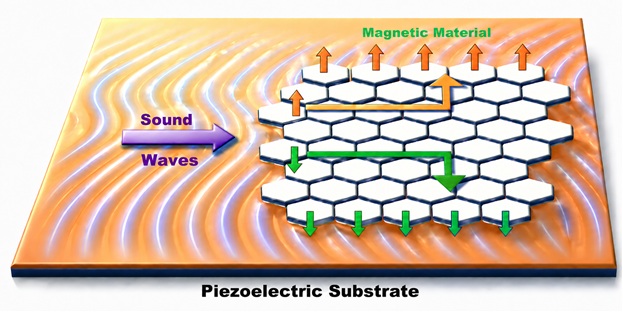
Researchers at the Institute of Nano Science and Technology (INST), Mohali, have developed a theoretical framework that uses sound waves to generate and control spin currents, a finding that could help reduce energy consumption in future computing and communication technologies. The study, published in Physical Review B, explores a new approach in spintronics — a field that seeks to use the spin of particles, rather than the movement of electric charge, to process and transmit information. Sc...

May 29, 2026 4:31 PM

Scientists develop light-powered nano-catalyst for cleaner and energy-efficient chemical manufacturing

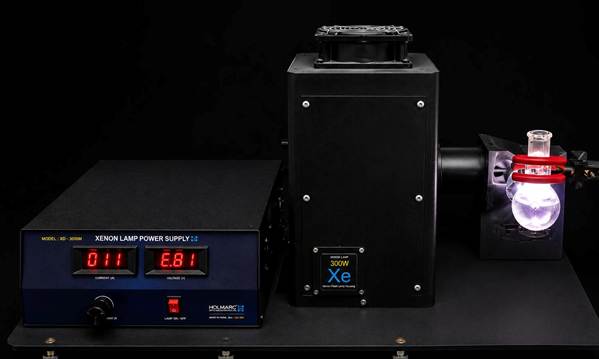
Researchers at the Institute of Nano Science and Technology (INST) have developed a novel light-driven nano-catalyst that could make the manufacturing of medicines and industrial chemicals cleaner, faster and more energy efficient by reducing dependence on toxic solvents and high-temperature processes. The research team developed a hybrid nanocomposite by combining gold and palladium nanoparticles with a light-absorbing molecule called BODIPY. The material functions as a light-powered catalyst,...