



November 25, 2025 10:24 AM

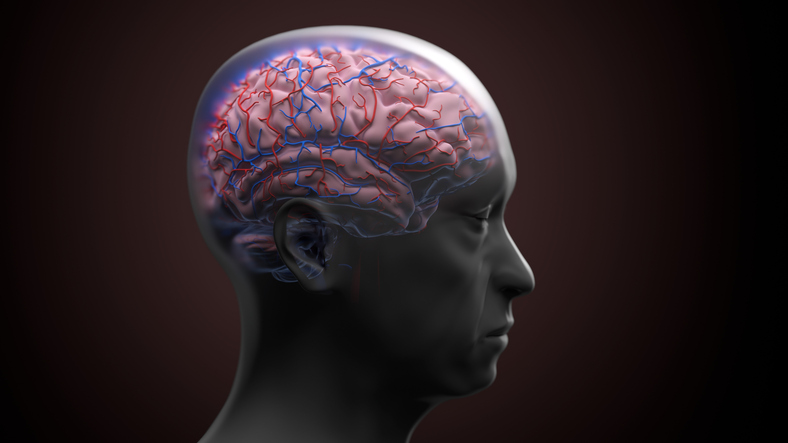
Researchers in Australia reveal progressive, region-specific brain changes in Parkinson’s disease

Researchers in Australia have found that Parkinson’s disease causes significant and progressive changes in the brain’s blood vessels, offering new insights into the neurological disorder and potentially opening avenues for future treatments. While Parkinson’s disease is known for the accumulation of alpha-synuclein protein deposits, the new findings suggest that region-specific vascular changes in the brain may play a key role in disease progression, Neuroscience Research Australia (NeuRA...


August 26, 2025 8:46 PM

Tiny gold nanoparticles show promise in early detection of Parkinson’s Disease

Scientists at the Institute of Nano Science and Technology (INST), Mohali, have developed a nanotechnology-based tool that could enable early detection of Parkinson’s Disease (PD), one of the fastest-growing neurological disorders worldwide. The research team explored how proteins behave differently in the brain during disease and focused on α-synuclein, a protein closely linked to Parkinson’s. This protein, which is harmless in its normal form, tends to clump into toxic aggregates that da...

January 2, 2025 5:03 PM

Nano-formulated Melatonin shows promise as therapeutic solution for Parkinson’s disease

Researchers have found that a nano-formulation of melatonin, a hormone produced by the brain in response to darkness, could be a promising treatment for Parkinson’s disease (PD). Parkinson’s is a neurological disorder caused by the loss of brain cells that produce dopamine, leading to problems with movement and coordination. Current treatments can only manage symptoms, but they cannot cure the disease. Melatonin, which is known for regulating sleep, has been studied for its potential to pr...

August 7, 2024 5:44 PM

Study reveals seaweed antioxidants may help prevent Parkinson’s disease

A groundbreaking study has revealed the that seaweed antioxidants can help prevent Parkinson's disease. The research, conducted by Osaka Metropolitan University's Graduate School of Human Life and Ecology and led by led by Associate Professor Akiko Kojima-Yuasa, focused on the physiological effects of Ecklonia cava polyphenols on neurodegenerative conditions. Parkinson's disease, characterized by the loss of dopamine-producing neurons, affects motor control and cognitive function. As the global...