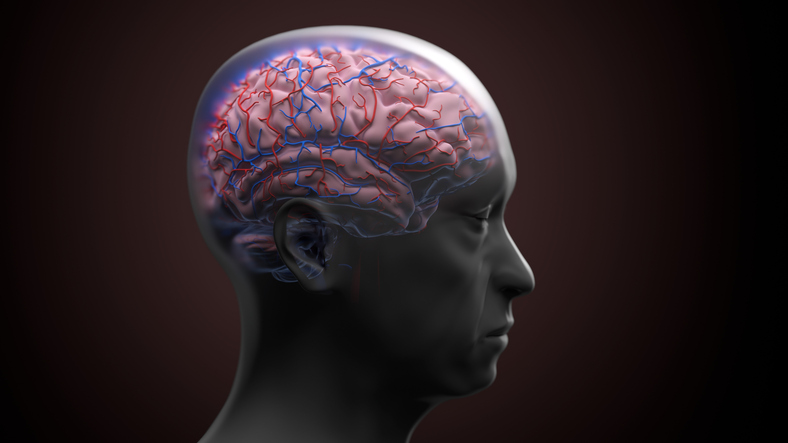
Researchers in Australia have found that Parkinson’s disease causes significant and progressive changes in the brain’s blood vessels, offering new insights into the neurological disorder and potentially opening avenues for future treatments.
While Parkinson’s disease is known for the accumulation of alpha-synuclein protein deposits, the new findings suggest that region-specific vascular changes in the brain may play a key role in disease progression, Neuroscience Research Australia (NeuRA) said in a media release on Tuesday.
“Traditionally, Parkinson’s researchers have focused on protein accumulation and neuronal loss, but we have shown the impacts on our cerebrovasculature — the blood vessels in our brain,” said NeuRA postdoctoral researcher Derya Dik, who led the study.
“Our research identified distinct changes in the brain’s blood vessels, including an increased presence of string vessels, which are non-functional remnants of capillaries,” Dik said.
NeuRA scientists, working with researchers from the University of New South Wales and the University of Sydney, also reported alterations in blood flow dynamics and blood-brain barrier function. The findings were published in the journal Brain, Xinhua news agency reported.
Researchers believe that targeting these progressive, region-specific vascular changes may help slow disease progression and improve outcomes for people living with Parkinson’s.
The team is now examining whether similar cerebrovascular changes are present in post-mortem brain tissue from individuals with Alzheimer’s disease and dementia with Lewy bodies, the media release added.
According to the World Health Organisation (WHO), Parkinson’s disease is a neurological condition that affects movement, mental health, sleep, pain and several other functions. The disease worsens over time and has no cure, although therapies and medication can help reduce symptoms. Common symptoms include tremors, muscle stiffness and difficulty speaking. Many people with Parkinson’s also develop dementia.
(IANS)