







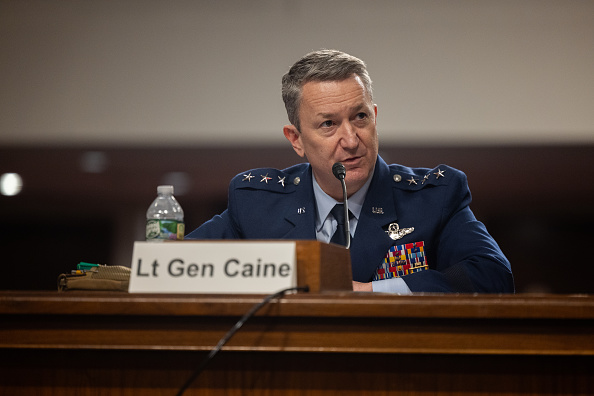
Top U.S. General Dan Caine, chairman of the Joint Chiefs of Staff, on Monday gave an initial timeline and some details on the start of the U.S. military operation in Iran. So far four U.S. service members have been killed and four others remain seriously wounded, the military has said.
FEBRUARY 27: At 3:38 p.m. ET (2038 GMT), the U.S. Central Command received “the final go order” from President Donald Trump: “Operation Epic Fury is approved. No aborts. Good luck.”
U.S. forces made final preparations: Air defense batteries checked systems to respond to Iranian attacks; pilots and crews rehearsed strike packages for the final time; air crews began loading final weapons, two carrier strike groups began to move toward launching points.
The first moves were made by U.S. Cyber Command and U.S. Space Command, which worked to disrupt, degrade and blind Iran’s ability to see, communicate and respond before the attack began.
FEBRUARY 28: 1:15 a.m. ET (0615 GMT/9:45 a.m. Iran time) more than 100 aircraft from land and sea launched, “forming a single synchronized wave.” The daylight strike was based on a “trigger event conducted by the Israel Defense Forces, enabled by the U.S. intelligence community.” This was an apparent reference by Caine to Israel’s surprise strike on Iran’s supreme leader, Ali Khamenei that was aided by U.S. intelligence.
The first shots fired were Tomahawk missiles sent by the U.S. Navy, while on the ground forces fired precision standoff weapons. The attack struck more than 1,000 targets in the first 24 hours.
MARCH 1-2: The initial phase of the attack focused on Iran’s command and control infrastructure, naval forces, ballistic missile sites and intelligence infrastructure, “designed to daze and confuse them,” Caine said. The combined impact of strikes resulted in the establishment of air superiority, which will enhance the protection of U.S. forces and allow them to continue to work over Iran.
The effort included American B-2 bombers, which flew a 37-hour round-trip sortie from the continental United States.
Israel has separately carried out hundreds of sorties against hundreds of targets.
The operation continues with U.S. Patriot and THAAD batteries, and ballistic missile defense-capable Navy destroyers, executing intercepts of hundreds of missiles targeting U.S. and partner forces. The threat from one-way attack drones remains persistent 57 hours into the attack.
(REUTERS)