





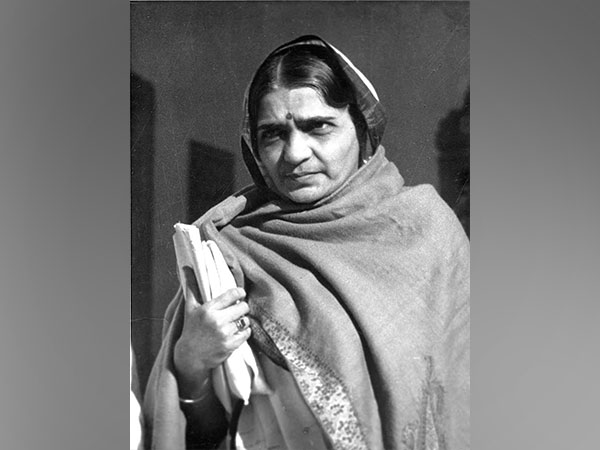
On the occasion of the International Day for Women in Diplomacy, United Nations General Assembly (UNGA) President Dennis Francis paid tribute to Hansa Mehta, a feminist leader, activist and diplomat from India, highlighting her pivotal role in shaping the Universal Declaration of Human Rights (UDHR) to be more inclusive.
Mehta is widely credited for successfully arguing against references to “men” as a synonym for humanity, and succeeded in changing the phrase, “All men are born free and equal” to “All human beings are born free and equal” in Article 1 of the Universal Declaration of Human Rights.
The introduction of a more inclusive language in UDHR was an important milestone in the fight for women’s rights and gender equality.
In a ceremony marking the day, Francis underscored the significance of gender equality in diplomacy, noting that it reflects broader societal progress towards inclusivity and respect for the rights of women and girls. He emphasised the historic contributions of women diplomats who have shattered barriers and enriched multilateralism throughout history.
Speaking passionately about Hansa Mehta’s influence, Francis posed a poignant question: “Would the Universal Declaration of Human Rights be truly universal today if Hansa Mehta had not insisted its opening line be changed from “all men” to “all human beings” are born free and equal?”
The UNGA President also reiterated the UN’s commitment to advancing gender equality and empowering women diplomats globally, recognising their indispensable contributions to shaping a more just and inclusive world.
Hansa Mehta is a prominent Indian scholar, educator, social reformer and writer. Born on July 3, 1897, Mehta was a champion of women’s rights.
As the President of All India Women’s Conference (AIWC) in 1946, she led the drafting of the “Indian Women’s Charter of Rights”, which demanded gender equality, civil rights and justice for women in India.
She was also part of the Constituent Assembly that drafted the Indian Constitution, a member of its Advisory Committee and sub-Committee on Fundamental Rights. Many provisions of AIWC’s Charter formed the basis of gender-neutral provisions in the Indian constitution.
At the international level, Mehta played a pioneering role in drafting of the Universal Declaration of Human Rights (UDHR). She was the only other female delegate, apart from Eleanor Roosevelt to the United Nations Commission on Human Rights.
(ANI)