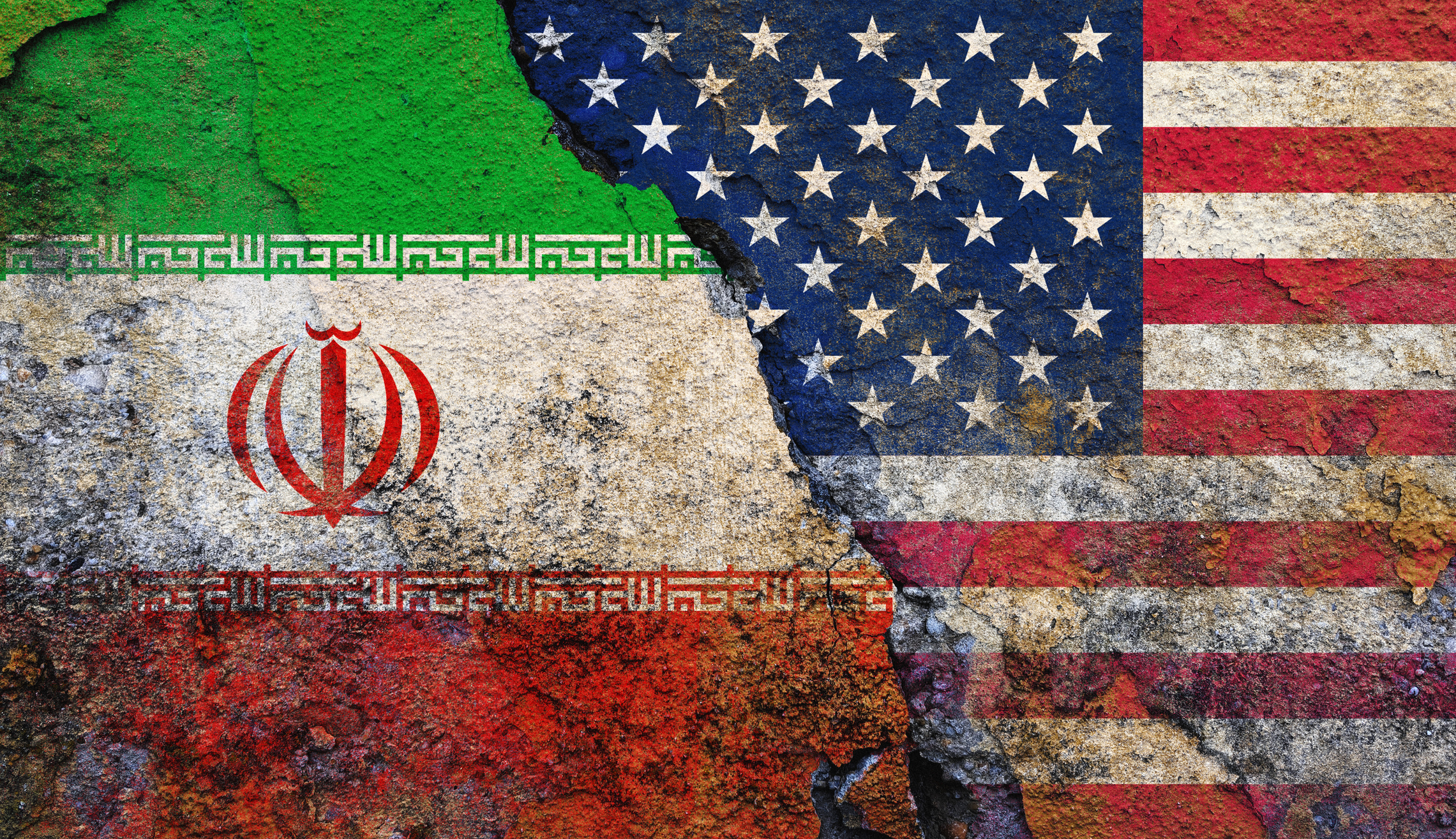
Nuclear talks between the United States and Iran commenced in Geneva on Tuesday, with Iran’s supreme leader warning that US attempts to depose his government would fail, even as Washington maintained a significant military buildup in West Asia.US envoy Steve Witkoff and Jared Kushner are taking part in the negotiations, which are being mediated by Oman, alongside Iranian Foreign Minister Abbas Aragchi.
The talks come months after a dramatic escalation in hostilities. Washington and Tehran had been scheduled to hold a sixth round of negotiations in June last year when Israel launched a bombing campaign against Iran’s nuclear facilities, subsequently joined by US B-2 bombers. Tehran has since said it has halted uranium enrichment activity.President Donald Trump has suggested Iran may be willing to reach a deal, though he has also said “regime change” in Iran may be the best thing that could happen. The US has deployed a battle force to the region, and Iran on Monday carried out a military drill in the Strait of Hormuz, a critical waterway for global oil shipments.
Iran’s Islamic rulers have been further weakened since the June strikes by street protests against a cost-of-living crisis driven in part by international sanctions that have severely curtailed the country’s oil income. The protests were suppressed at a cost of thousands of lives. Tehran is seeking sanctions relief as a central condition of any agreement.
Washington and Israel believe Iran aspires to build a nuclear weapon capable of threatening Israel’s existence. Iran maintains its nuclear programme is entirely peaceful, though it has enriched uranium far beyond the levels needed for power generation and close to the purity required for a bomb. Iran is a signatory to the nuclear Non-Proliferation Treaty, which guarantees countries the right to pursue civilian nuclear power in exchange for forgoing atomic weapons and cooperating with the International Atomic Energy Agency. Israel, which has not signed the treaty, neither confirms nor denies possessing nuclear weapons, a longstanding policy of ambiguity intended to deter its neighbours.