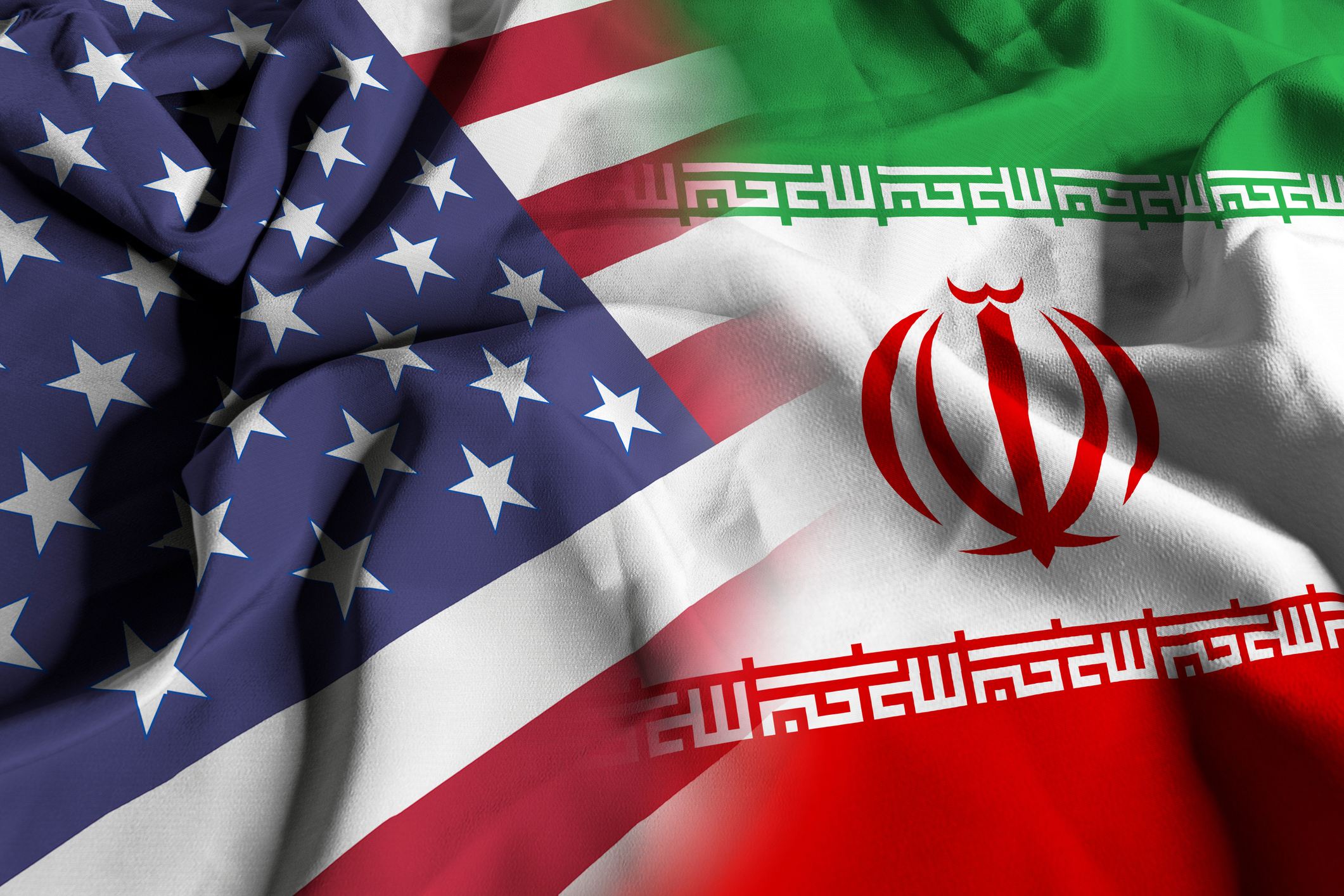
The United States and Iran have confirmed that they will hold direct nuclear negotiations in Oman’s capital, Muscat, on Friday in a significant diplomatic engagement against the backdrop of heightened regional tensions. The talks are scheduled to begin at 10:00 a.m. local time and follow days of uncertainty over the venue, format and agenda of the discussions.
Iranian Foreign Minister Abbas Araghchi announced the meeting on social media, thanking Omani authorities for facilitating the talks. Oman, widely regarded as a neutral mediator in West Asian diplomacy, has previously hosted several rounds of US-Iran negotiations.
The decision to hold the talks in Muscat came after Iran pressed for a bilateral format limited strictly to its nuclear programme and the lifting of US sanctions. Initial plans had reportedly proposed Istanbul, Turkey, as the venue, with the possibility of involving regional actors. Tehran, however, pushed for a shift in location and scope to narrow the focus of the discussions.
The Iranian delegation will be led by Foreign Minister Abbas Araghchi. The US side is expected to include West Asia envoy Steve Witkoff and may also feature Jared Kushner, according to reports.
The negotiations take place at a time of severe strain in US-Iran relations. Tensions escalated following a 12-day conflict involving Israel in June 2025, during which US forces bombed and severely damaged key Iranian nuclear facilities, effectively halting Tehran’s programme at that time. In recent months, Iran has also carried out a violent crackdown on nationwide protests, further complicating the diplomatic environment.
US President Donald Trump has issued a sharp warning to Iran’s Supreme Leader Ayatollah Ali Khamenei, saying he “should be very worried.” US officials have underlined that while Iran wants to confine the talks to nuclear issues and sanctions relief, Washington intends to raise concerns over Tehran’s ballistic missile programme and its support for regional proxy groups.
Ahead of the talks, the United States has strengthened its military posture in West Asia, deploying aircraft carriers and strike platforms as a signal of preparedness amid the delicate negotiations.
This round of talks marks a rare instance of direct, face-to-face engagement following prolonged periods of indirect negotiations. Observers say the discussions present a narrow opportunity for de-escalation, but also carry the risk of further confrontation if the two sides fail to find common ground. The outcome is expected to have significant implications for regional stability, global energy markets and international efforts to prevent nuclear proliferation.