







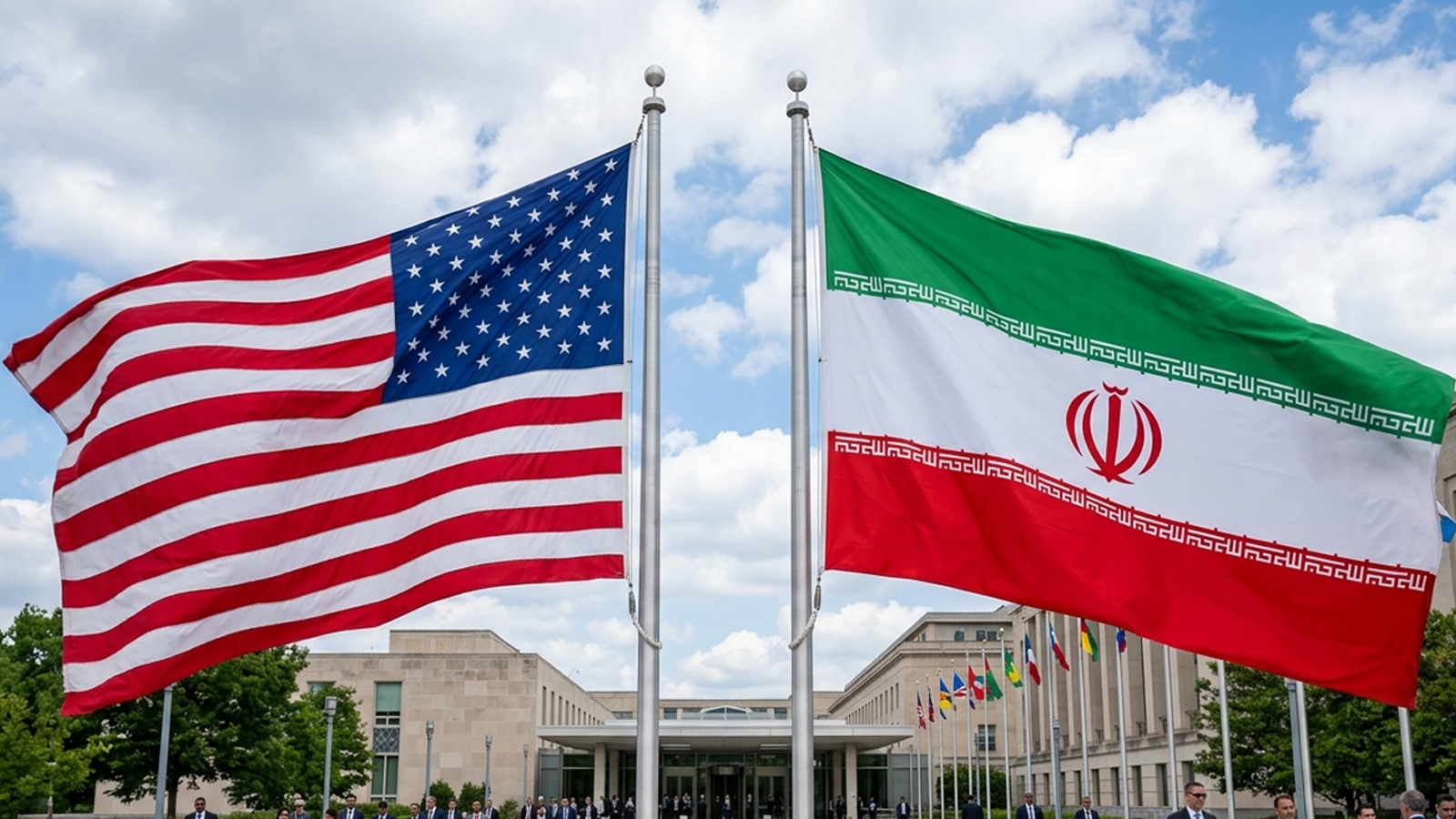
A landmark memorandum of understanding between the United States and Iran has come into effect, bringing an immediate halt to nearly four months of direct conflict and opening a 60-day window for negotiations on a comprehensive peace settlement. The 14-point agreement, signed electronically ahead of a planned meeting in Switzerland, establishes an immediate ceasefire, commits both sides to refrain from hostile actions, and sets out a framework for addressing longstanding disputes over Iran’s nuclear programme and regional security issues.
Under the agreement, the United States will begin lifting its naval blockade around Iran and work towards restoring normal maritime traffic through the Strait of Hormuz within 30 days. Iran, in turn, has pledged to facilitate safe passage for commercial shipping and reaffirmed that it will not pursue nuclear weapons. The memorandum also outlines plans for negotiations on sanctions relief, economic reconstruction and the future handling of Iran’s enriched uranium stockpile under international oversight. Both sides have agreed to pursue a final settlement within 60 days, although the deadline may be extended by mutual consent.
The United States and Iran have formally launched a new diplomatic process after signing a memorandum of understanding aimed at ending months of conflict. The agreement calls for an immediate ceasefire, the reopening of the Strait of Hormuz and negotiations on a broader peace settlement. Washington has committed to easing maritime restrictions and pursuing sanctions relief, while Tehran has reaffirmed that it will not seek nuclear weapons and has agreed to address concerns over its enriched uranium stockpile under international supervision. The deal also includes provisions for economic reconstruction and future cooperation on regional security. Diplomats now face the more difficult task of converting the framework into a binding agreement within the next sixty days. While supporters have welcomed the breakthrough as a major step towards stability in West Asia, significant differences remain over nuclear verification, sanctions implementation and regional security arrangements.
However, questions remain about how durable the agreement will prove to be. While there had been speculation that all sanctions on Iran could eventually be lifted, the memorandum makes clear that any sanctions relief will depend on Tehran meeting its commitments and making progress in future negotiations. Officials from both countries have described the document as a framework for further talks rather than a final peace settlement, with several key issues still to be resolved.
The agreement is also expected to have wider implications across West Asia. Under its provisions, the ceasefire extends to Lebanon and commits the parties to ending military operations on multiple fronts. The deal reaffirms support for Lebanon’s sovereignty and stability, raising hopes that cross-border tensions involving Israel and Hezbollah could ease as the broader regional conflict de-escalates.
The agreement has been welcomed by governments across the region as well as by international partners. European leaders described the breakthrough as an opportunity to restore stability and protect global energy supplies. They have also stressed that Iran must not acquire a nuclear weapon and that freedom of navigation through the Strait of Hormuz must be maintained. Even so, analysts caution that the toughest stage of the process now lies ahead, as negotiators work to turn the ceasefire into a lasting political settlement and address decades-old differences between Washington and Tehran.