A cluster of villages in Andhra Pradesh’s Prakasam district has emerged as a model for water resilience, with community-driven rainwater conservation efforts transforming local livelihoods under the Jal Sanchay Jan Bhagidari campaign.
Villages such as Murugummi, Marella and Thangella, once grappling with acute water shortages, have reported significant improvements in groundwater levels, agricultural productivity and overall socio-economic conditions following sustained conservation initiatives.
The region had long suffered from erratic rainfall, falling groundwater levels and repeated borewell failures, which severely impacted farming and forced many residents to migrate in search of work. The turnaround began with extensive community mobilisation through Gram Sabhas, awareness campaigns, workshops and field demonstrations.
Residents, including farmers, women and youth, collectively adopted water budgeting, crop planning and groundwater-sharing practices, fostering a strong sense of ownership over local water resources.
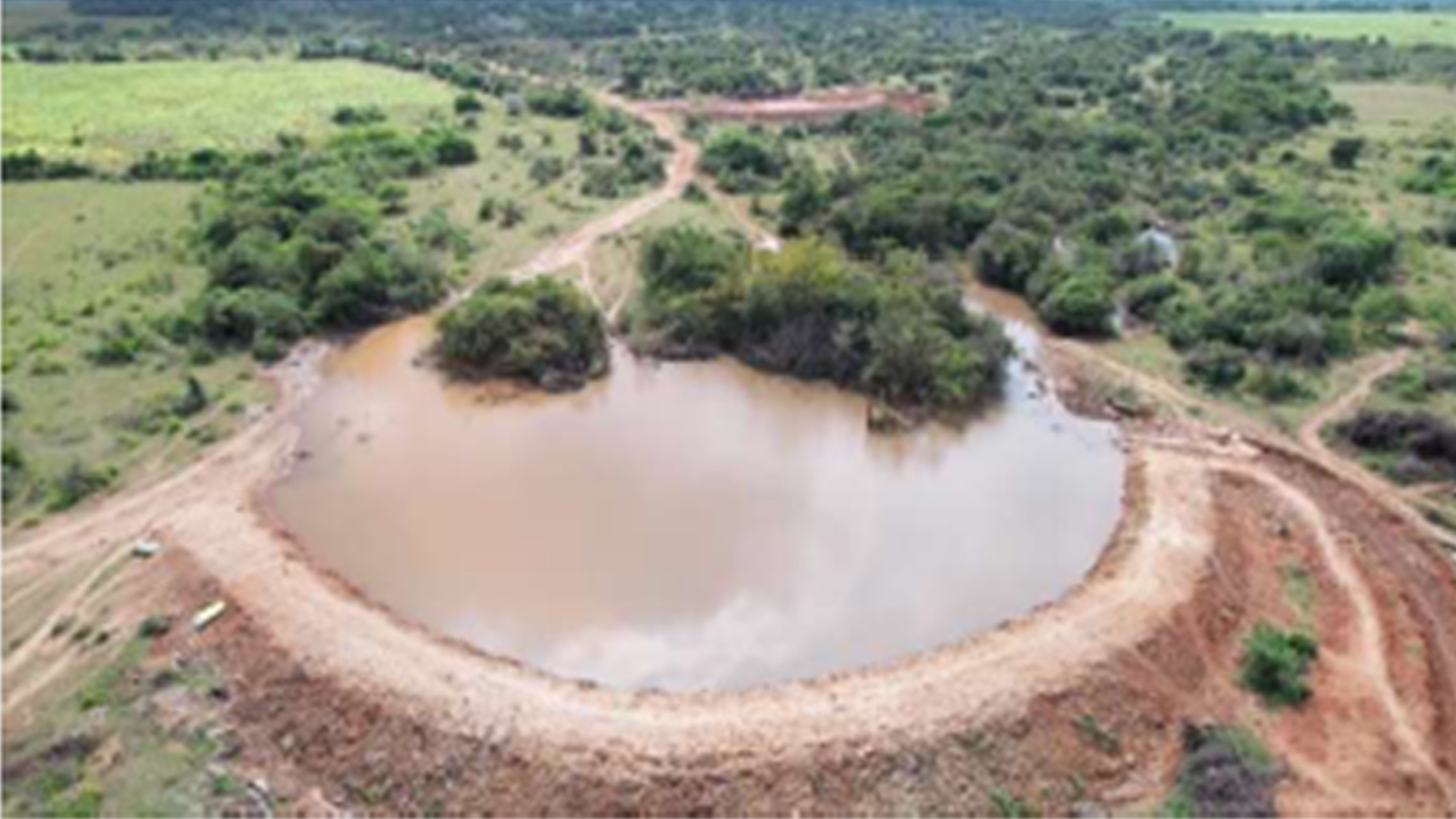
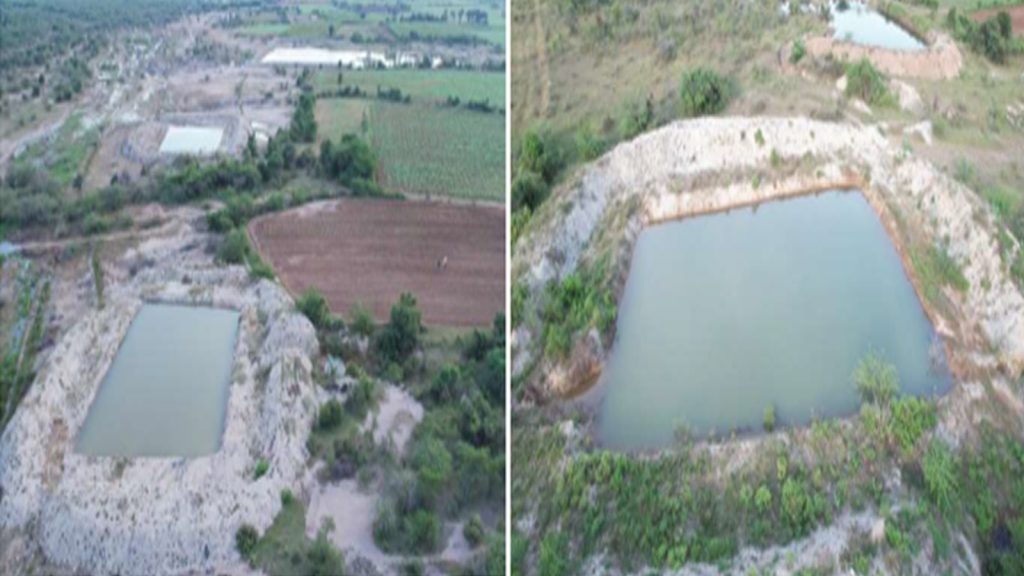
Authorities implemented a ridge-to-valley approach, introducing a range of rainwater harvesting and conservation measures. These included the construction of percolation tanks, farm ponds, staggered trenches and rooftop rainwater harvesting systems, along with the rejuvenation of traditional water bodies.
The impact has been substantial. In Murugummi, 71 water conservation structures have been built, creating a storage capacity of over 8.11 lakh cubic metres and supporting irrigation across more than 260 hectares of farmland. Marella has developed 53 such structures, with additional restoration of ponds boosting storage capacity and improving irrigation coverage. Thangella has also constructed 71 structures and revived traditional water bodies, significantly enhancing water availability.
Overall, the initiative has benefited nearly 5,900 people by improving access to water for both domestic use and agriculture. Enhanced irrigation has led to better crop yields, while increased water availability has supported dairy farming, providing an additional source of income for rural households.
Improved soil moisture and land health have enabled more stable cropping patterns, while the strengthened rural economy has reduced distress migration from the region.
The efforts have also received national recognition. Murugummi was awarded the Second-Best Village Panchayat at the National Water Awards 2024, while Marella and Thangella have also been acknowledged for their achievements.
The Ministry of Jal Shakti says the success of these villages highlights the effectiveness of community participation in water conservation and offers a replicable model for sustainable water management across the country.