Dr. Rob Thompson, a scientist at the University of Reading in England, conducted an experiment shedding light on the heightened risk of flash floods following heavy rain after prolonged droughts.
The experiment aimed to demonstrate the varying rates at which soil absorbs water under different conditions. Three cups of water were poured onto surfaces representing dry grass post-heat wave, wet grass, and typical summer conditions.
Results showed rapid drainage on wet grass, steady but slow trickling on grass under normal summer conditions, and nearly stagnant absorption on parched grass.
“Damp grass takes 9 seconds, moist grass (more like normal in summer) 52 seconds, parched grass (most this year) looked likely to take at least 15 minutes … but I got bored,” Thompson wrote.
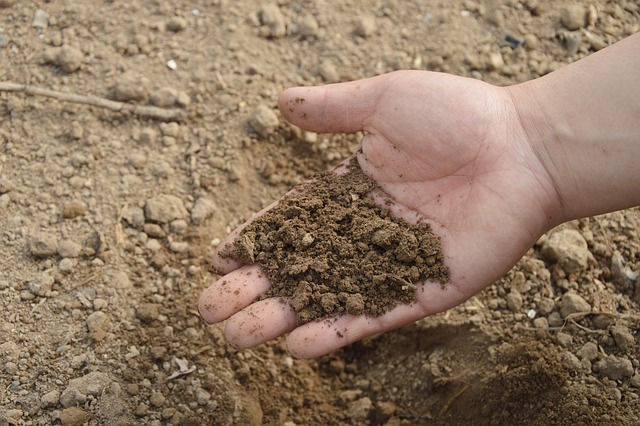
This experiment highlights the indispensable role of healthy soil. Soil, a vital source of sustenance, serves as a water filter, flood mitigator, habitat for diverse microbial life, and nutrient provider for crops, playing a crucial role in combating climate change.
Soil also serves as a carbon sink, capturing and storing substantial carbon amounts. Without healthy soil, food security, a fundamental necessity, would be at risk.
Scientific studies have revealed that we possess sufficient soil for only another 80 to 100 crop cycles—maximum 45 to 60 years. Within 30 years, a significant food crisis looms as our population surpasses 9 billion.
Key to soil vitality is its biota, including earthworms, termites, fungi, and bacteria, crucial for ecological function restoration and maintenance. Soil macrofauna, such as ants and beetles, significantly influence soil’s physical and chemical processes, aiding nutrient cycling and soil fertility.
The soil microbial community, primarily composed of bacteria and fungi, plays a pivotal role in organic matter decomposition, serving as a crucial biological indicator of soil health.
Fungi and bacteria contribute to soil structure formation, carbon sequestration, nutrient cycling, and plant health enhancement. They constitute the foundation of the soil food web, facilitating organic matter breakdown and nitrogen fixation.
Restoring degraded soils therefore can result in enhanced agricultural productivity and mitigate the adverse impact of climate extremes.