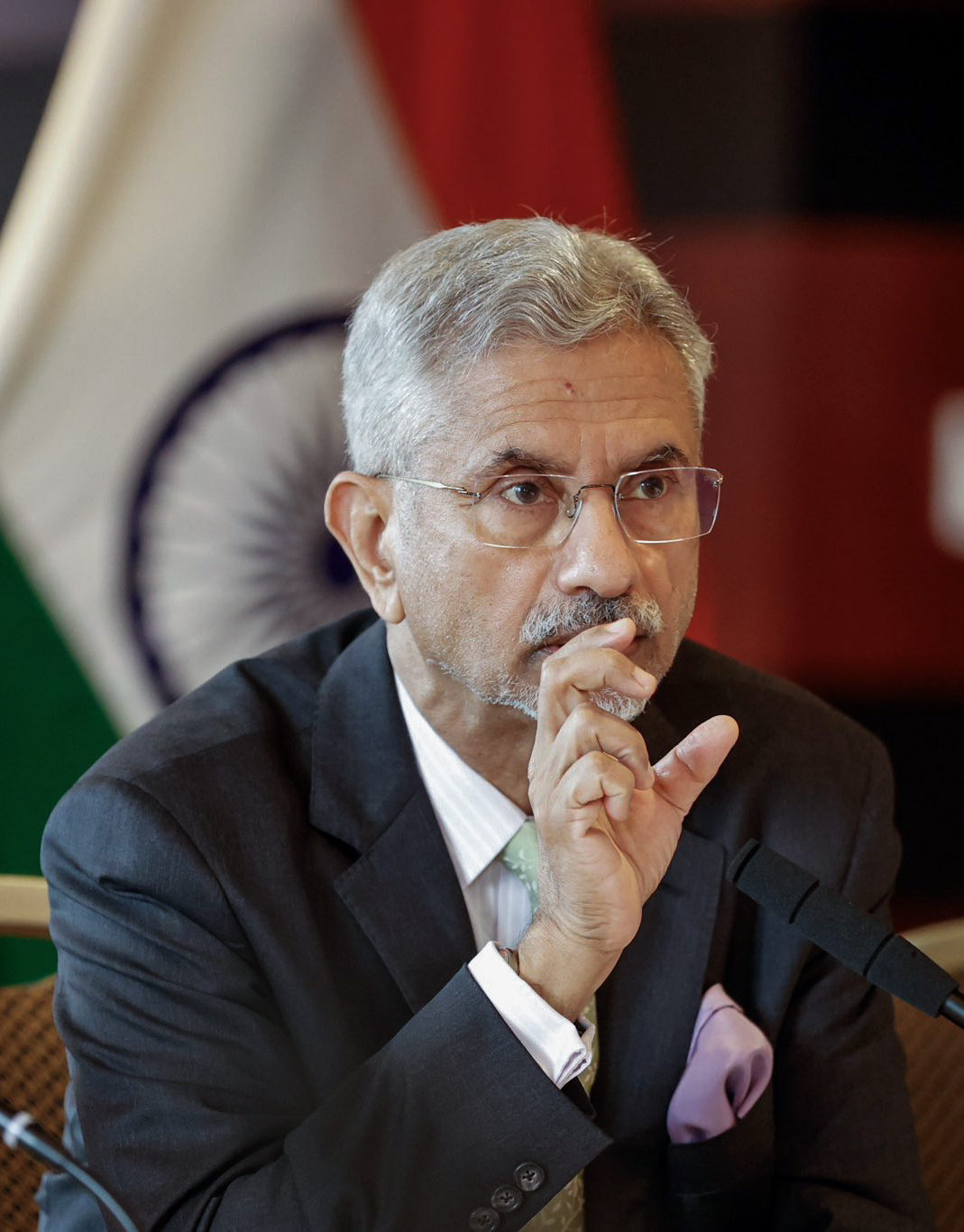
External Affairs Minister S. Jaishankar emphasised India’s proactive approach toward potential disruptions and accelerations in global supply chain restructuring, viewing them as key opportunities for growth. He identified several areas where US-India relations could be significantly impacted by the recent US election outcome, notably in supply chain adjustments, geopolitical strategies, digital growth, and skilled talent mobility.
Speaking to CEOs and business leaders in Sydney on Thursday, Jaishankar said, “To my mind, there are four or five important consequences for the (India-US) relationship and the business aspect of these ties. First, there was already a reordering of supply chains underway, and it is very likely that, in view of the US election results, this will accelerate. Some of it will be disruptive, but we in India see it as an opportunity. Second, there will be, in a way, more geopolitical hedging… The third aspect pertains to digitalization.”
Jaishankar also expressed optimism about future immigration policies under President Donald Trump’s administration, suggesting that the US may distinguish between different types of immigration, which could benefit skilled foreign workers. “The mobility of talent and skills remains crucial, as even if re-globalization happens, demographic disparities are making an impact. The global workforce no longer depends only on talent moving; businesses can relocate as well. Even under Trump, the US is likely to differentiate in immigration and mobility policies,” he added.
Jaishankar’s remarks come as Trump’s presidency has been characterized by strict immigration policies, focusing on border security and enforcement. Yet, Jaishankar indicated that skilled professionals may continue to find favorable opportunities.
Highlighting India’s domestic achievements, EAM Jaishankar outlined the nation’s rapid progress in education, infrastructure, and digitalization. Since 2014, India’s educational institutions have doubled in capacity, equivalent to establishing two new colleges daily. “Educational capacity has grown about 2 to 2.5 times from 2014 levels. We’re building 27-28 kilometers of highway each day, and in railways, laying 12-14 kilometers of new track daily”, Jaishankar said.
The foreign minister also pointed out India’s strong growth trajectory in aviation, while acknowledging delays in aircraft deliveries amid high demand: “India has around 1,000 new aircraft on order, though deliveries have been slower than expected. In terms of infrastructure, we’ve added an average of 7.5 new airports annually, totaling 75 over the last decade. Our digitization efforts have also progressed, with even street vendors now using QR codes; we average 11 to 12 billion transactions per month.”
(ANI)