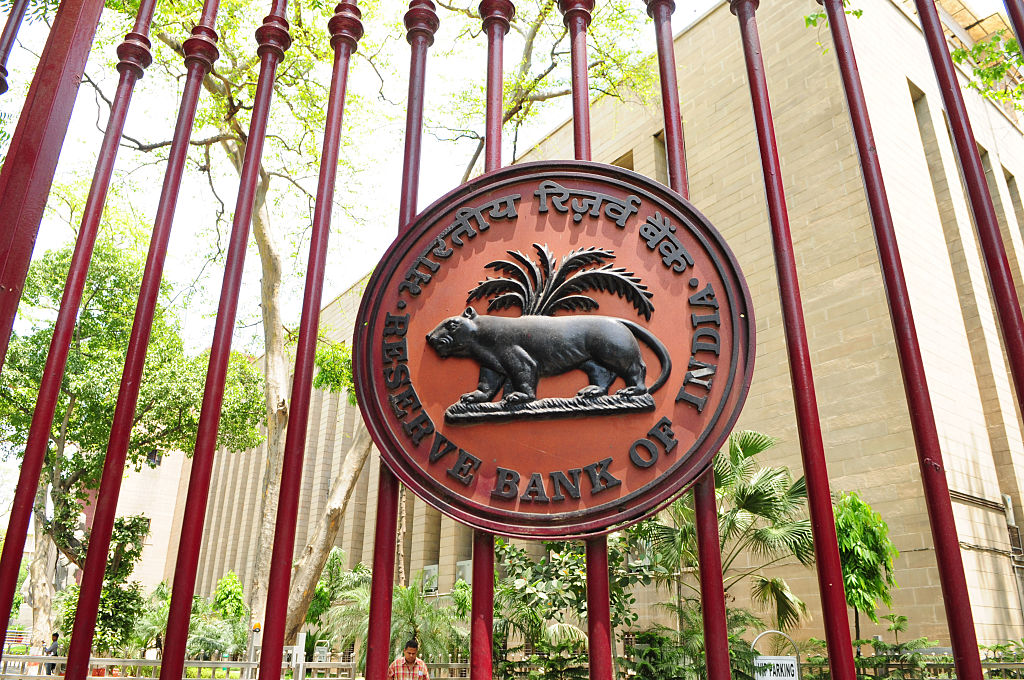
The Reserve Bank of India (RBI) on Tuesday said the introduction of a Merchant Discount Rate (MDR) on large-value UPI transactions is an important step towards strengthening the long-term sustainability of India’s digital payments ecosystem.
In a statement, the central bank said an appropriate distribution of MDR among participants in the payments ecosystem will support continued investment in technology, infrastructure and acceptance networks.
The RBI said this would help expand UPI acceptance, deepen the customer base and sustain the growth of transaction volumes across the country.
The central bank clarified that all UPI transactions, including person-to-person (P2P) and person-to-merchant (P2M) payments, will remain free for users.
Under the new framework, P2M UPI transactions below Rs 2,000 will continue to remain free for merchants, while MDR may be levied on specified merchant transactions above the threshold.
The Finance Ministry, in its explainer issued on Tuesday, clarified that MDR is neither a tax nor a charge collected by the government or the National Payments Corporation of India (NPCI). It is distributed among participants in the payment ecosystem, including banks, payment service providers and UPI application providers, to support the operation and expansion of the UPI ecosystem.
A nominal MDR of 0.4 per cent will apply to P2M transactions above Rs 2,000. For transactions of Rs 75,000 and above, the MDR will be capped at Rs 300 per transaction.
Transactions above Rs 2,000 in essential and thin-margin sectors, including railways, telecommunications, insurance, fuel and agricultural inputs, will attract a flat MDR of Rs 5 per transaction.
The RBI said it remains committed to ensuring that UPI continues to be safe, seamless, affordable and accessible, while supporting the long-term growth and sustainability of India’s digital payments ecosystem.
-IANS