








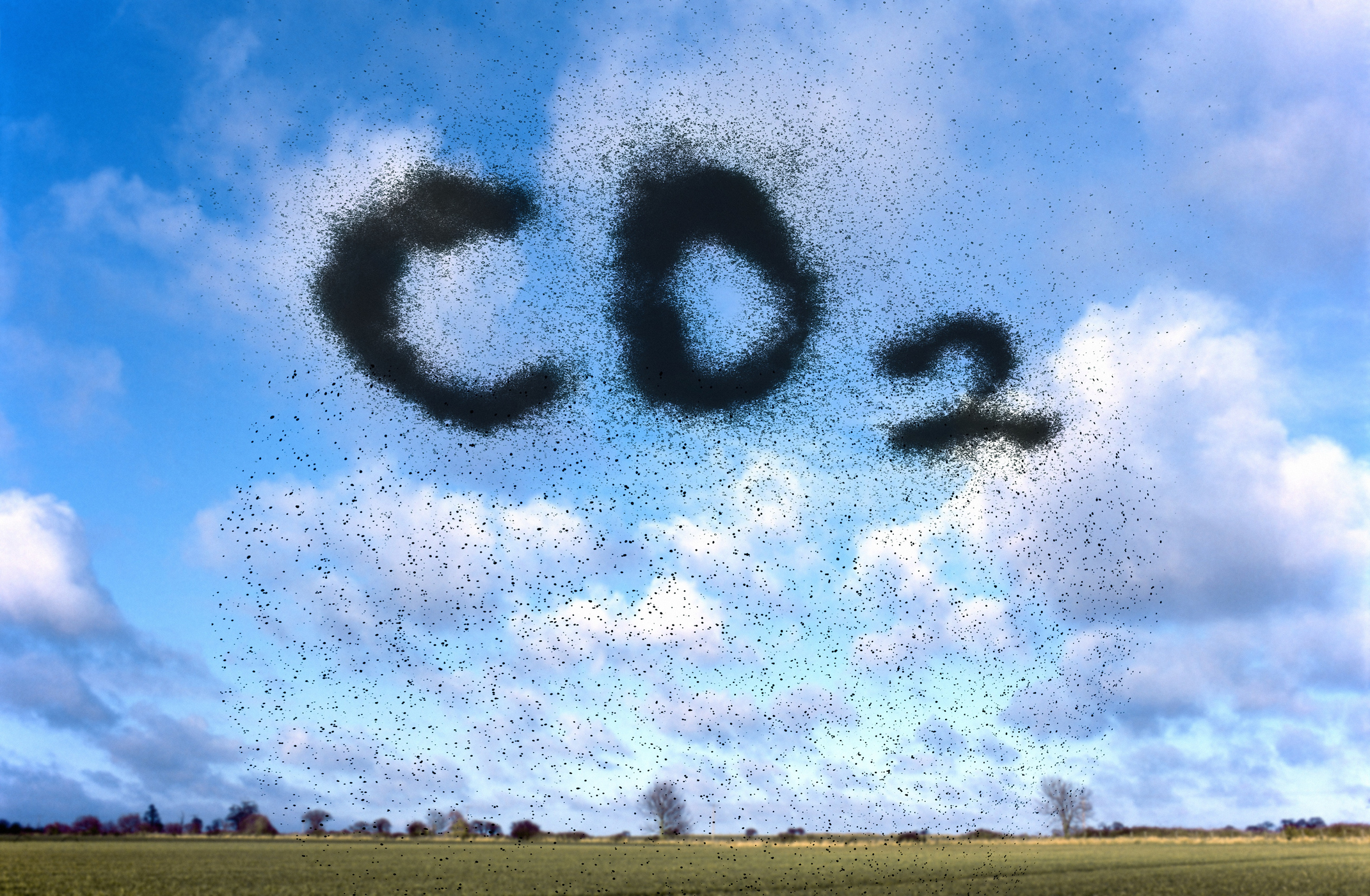
A new study has revealed that rising greenhouse gas levels could significantly alter rainfall patterns in equatorial regions, potentially transforming India’s biodiversity hotspots.
The research, conducted by scientists from the Birbal Sahni Institute of Palaeosciences (BSIP), suggests that evergreen forests in the Western Ghats, northeast India, and the Andaman Islands may be replaced by deciduous forests due to these climate shifts.
The study, published in Geoscience Frontiers, examined fossil pollen and carbon isotope data from the Eocene Thermal Maximum 2 (ETM-2), a period of global warming that occurred approximately 54 million years ago.
This era serves as a potential analog for future climate scenarios, offering valuable insights into the effects of increased atmospheric carbon dioxide on tropical ecosystems.
Researchers focused on the Panandhro Lignite Mine in Gujarat, which provided a unique opportunity to study vegetation-climate relationships near the equator during the ETM-2.
Analysis of fossil pollen revealed that when atmospheric CO2 concentrations exceeded 1000 ppmv near the paleo-equator, rainfall decreased significantly, leading to an expansion of deciduous forests.
The study raises important questions about the survival of equatorial/ tropical rainforests and biodiversity hotspots under increased carbon emissions. It can help understanding the relationship between CO2 and hydrological cycle and aid in the future conservation of biodiversity hotspots.