


April 6, 2026 7:18 PM

New study decodes India’s agricultural origins in Ganga Plain using grass pollen

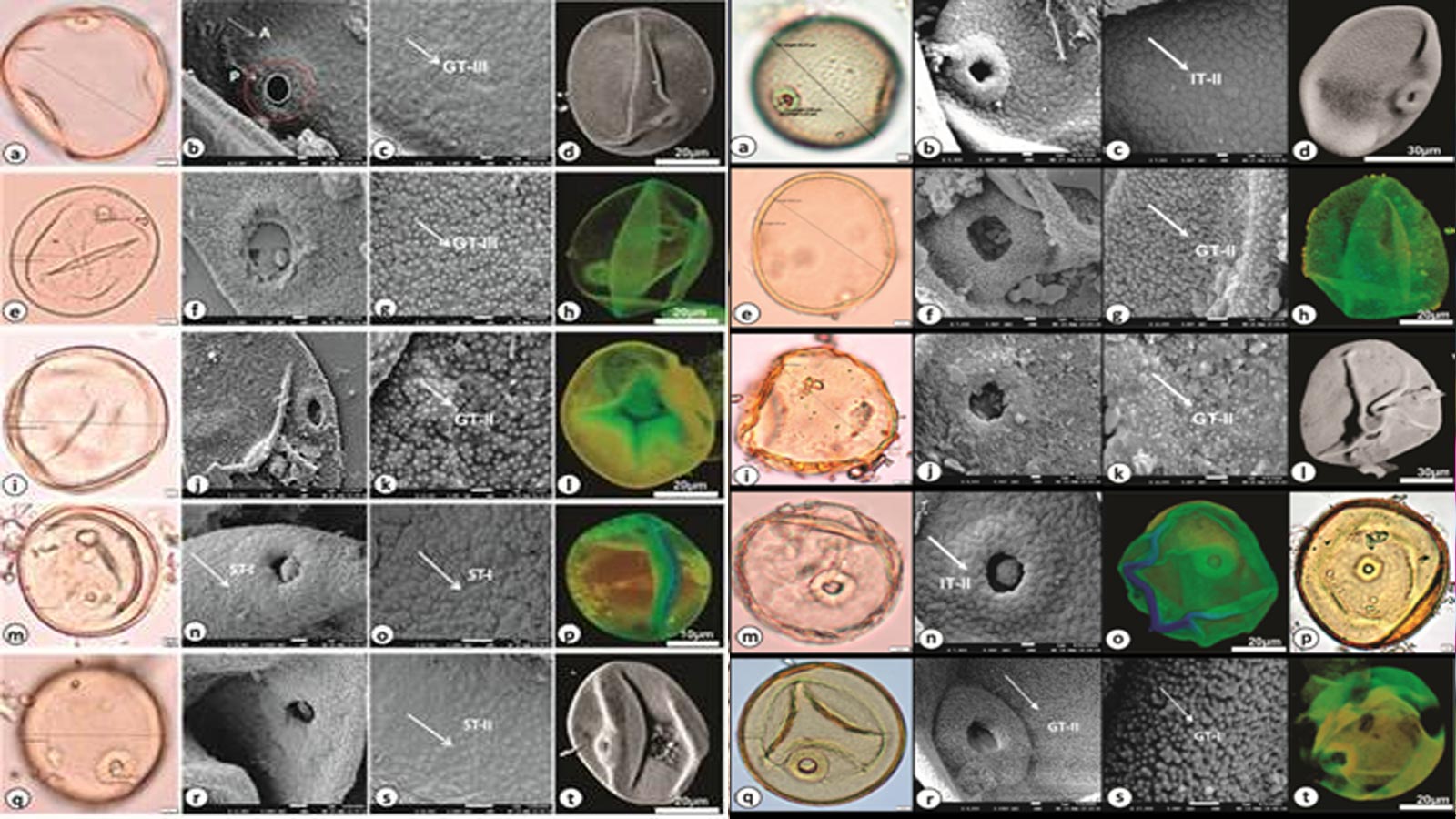
A study by Indian scientists has unveiled a new method to distinguish between pollen of cultivated crops and wild grasses, offering fresh insights into the origins of agriculture in the Central Ganga Plain. The research, conducted by scientists from the Birbal Sahni Institute of Palaeosciences (BSIP), provides a powerful tool to reconstruct ancient farming practices and human influence on landscapes over thousands of years. Cracking a long-standing scientific challenge Cereal crops such as wh...
February 4, 2026 5:50 PM

Researchers trace Kaziranga’s evolution as the last great refuge of the one-horned rhinoceros

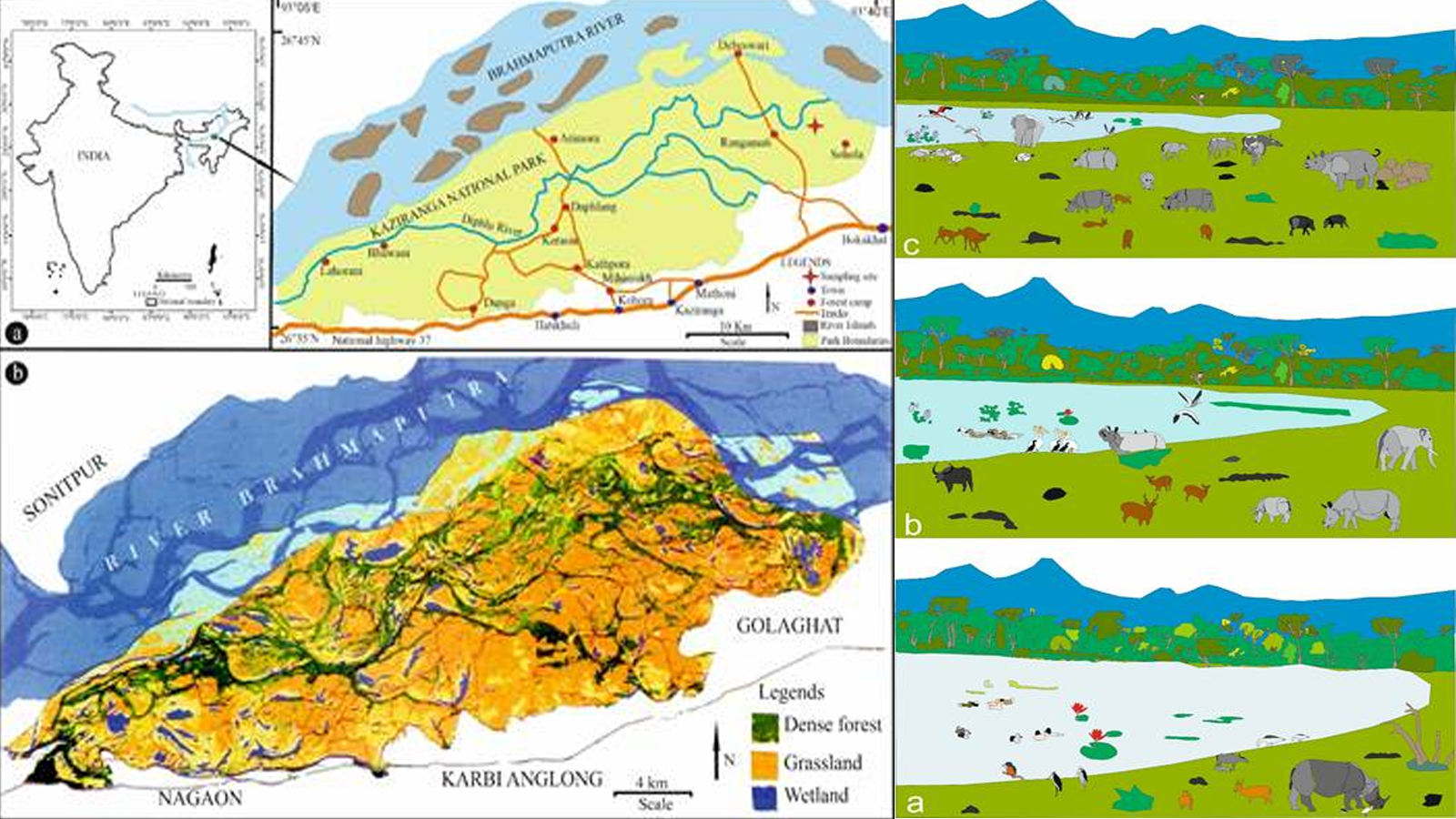
A new scientific study has traced how Assam’s Kaziranga National Park (KNP) evolved into the world’s most important refuge for the Indian one-horned rhinoceros, revealing a story shaped by climate change, shifting vegetation, human pressure and the decline of megaherbivores across the subcontinent. Scientists from the Birbal Sahni Institute of Palaeosciences (BSIP), an autonomous institute under the Department of Science and Technology (DST), have reconstructed the first long-term palaeoeco...

January 15, 2026 4:42 PM

Study uncovers 4,500-year climate record from Tamil Nadu lake, aiding conservation and risk planning

A team of scientists has unearthed one of the most detailed climate records from peninsular India through sediment analysis of the Kondagai inland lake in Tamil Nadu’s Sivaganga district, offering new insights into monsoon patterns, ancient ecosystems and human settlement over nearly 4,500 years. The study, conducted by researchers from the Birbal Sahni Institute of Palaeosciences (BSIP), an autonomous institute under the Department of Science and Technology, reconstructed past rainfall, vege...

October 10, 2024 4:47 PM

New study reveals significant hydrocarbon potential in South Karanpura coalfield, Jharkhand

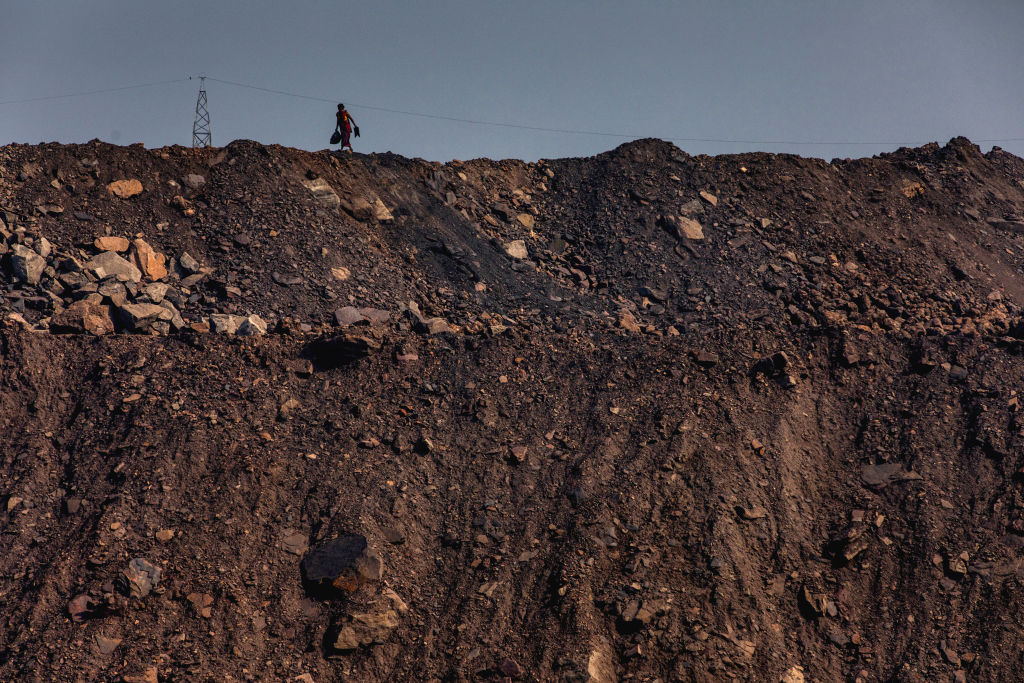
A recent study conducted by scientists from the Birbal Sahni Institute of Palaeosciences (BSIP), Lucknow, has uncovered substantial potential for hydrocarbon generation in the eastern region of the South Karanpura coalfield, located in the Ramgarh district of Jharkhand. The research, which combined microscopic palynomorph analysis and geochemical assessments, highlighted the eastern Sirka coalfield as having a higher potential for hydrocarbon generation compared to the Giddi coalfield in the no...

September 16, 2024 6:10 PM

New study links CO2 increase to rainfall changes, impacts on biodiversity hotspots

A new study has revealed that rising greenhouse gas levels could significantly alter rainfall patterns in equatorial regions, potentially transforming India's biodiversity hotspots. The research, conducted by scientists from the Birbal Sahni Institute of Palaeosciences (BSIP), suggests that evergreen forests in the Western Ghats, northeast India, and the Andaman Islands may be replaced by deciduous forests due to these climate shifts. The study, published in Geoscience Frontiers, examined foss...