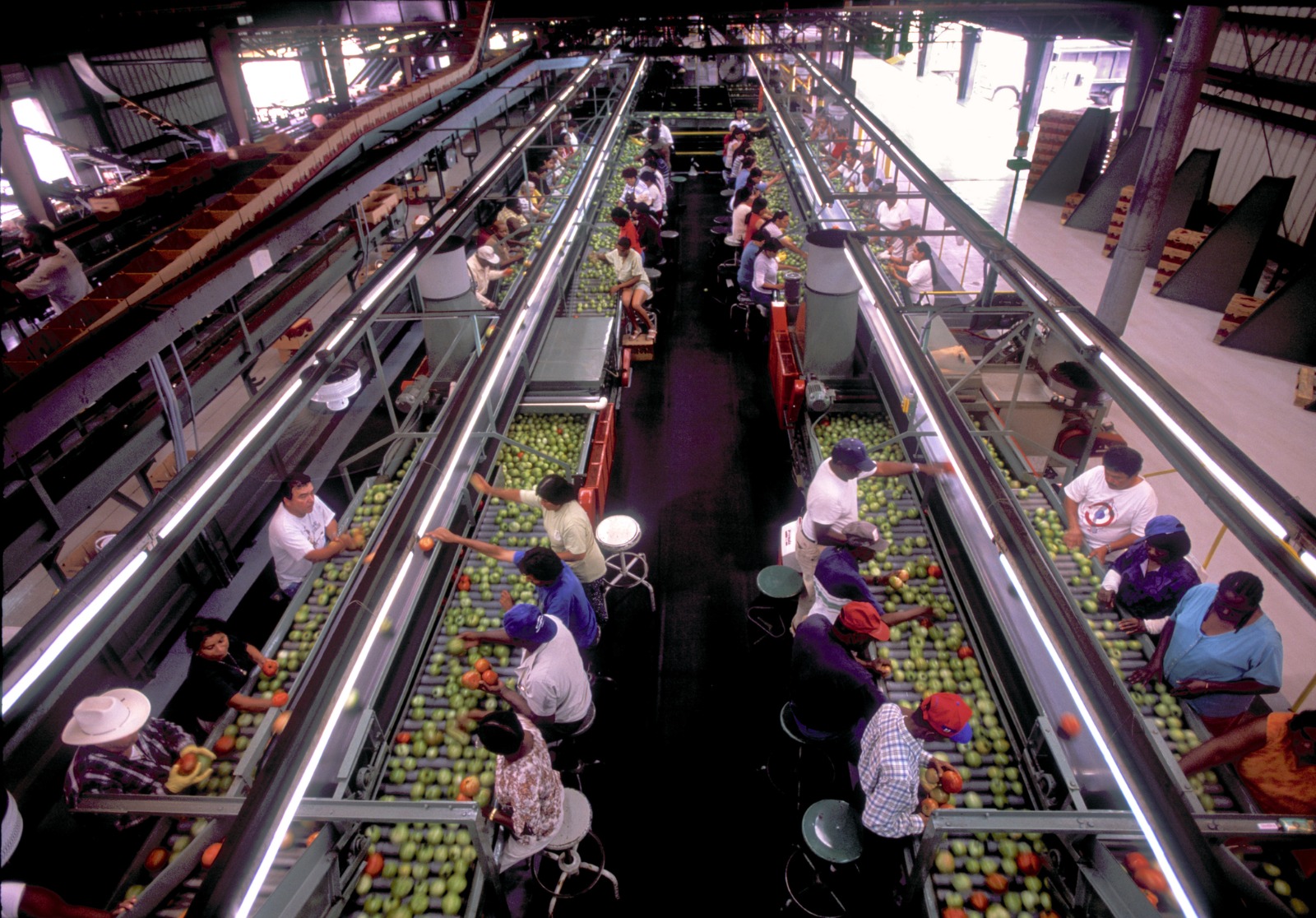

The Pradhan Mantri Formalisation of Micro Food Processing Enterprises (PMFME) scheme is a transformative initiative aimed at converting local food processing units into the organised sector, increasing incomes, and empowering communities under “Atmanirbhar Bharat” (self-reliant India).
Launched on 29 June 2020, PMFME is a Centrally Sponsored Scheme running until 2025–26 with an outlay of ₹10,000 crore. It’s designed to support 200,000 micro food processing units through credit-linked subsidies, common infrastructure development, and capacity building, spreading the “Vocal for Local” ethos across the nation.
By June 2025, the Centre had released ₹3,791.1 crore to States and UTs for scheme implementation. A staggering 1,44,517 loans, worth ₹11,501.79 crore, have been sanctioned to individual units and groups under the credit-linked subsidy component. Notably, in FY 2024–25 alone, 50,875 of these loans were disbursed.
Training and skill-building are central to PMFME’s impact. 116,666 beneficiaries have been trained across the country, equipping them with business, technical, and marketing know-how.
The scheme also emphasises building collective tools and infrastructure: 93 common infrastructure projects and 27 branding & marketing initiatives have been approved, while 348,907 SHG members received seed capital support, an investment of ₹1,182.48 crore.
What distinguishes PMFME is the One District One Product (ODOP) approach. By identifying unique local products, fruits, spices, and traditional foods, States can support focused processing, branding, and market access.
In Thanjavur, for example, the National Institute of Food Technology, Entrepreneurship and Management (NIFTEM-T) is leading incubation and training efforts, helping aspiring entrepreneurs pilot food-processing ideas before scaling them.
On the ground, success stories demonstrate the transformative potential of the scheme. At a PAU conclave in Punjab, Gurpreet Kaur transformed a ₹40,000 grant into a successful pickle business that generates ₹2.5–3 lakh monthly and provides employment to several women.
In Madhya Pradesh, Karnataka, local farmers were motivated to consider food processing as a viable self-employment opportunity, with districts providing financial assistance of up to ₹15 lakh and a well-defined model for achieving a monthly income of ₹50,000 to ₹1 lakh.
PMFME stands at the intersection of rural transformation, economic resilience, and cultural pride. By formalising local food units, enabling credit access, fostering training, and building infrastructure, the scheme empowers entrepreneurs to compete in organised markets, lifting incomes, creating jobs, and preserving regional heritage.