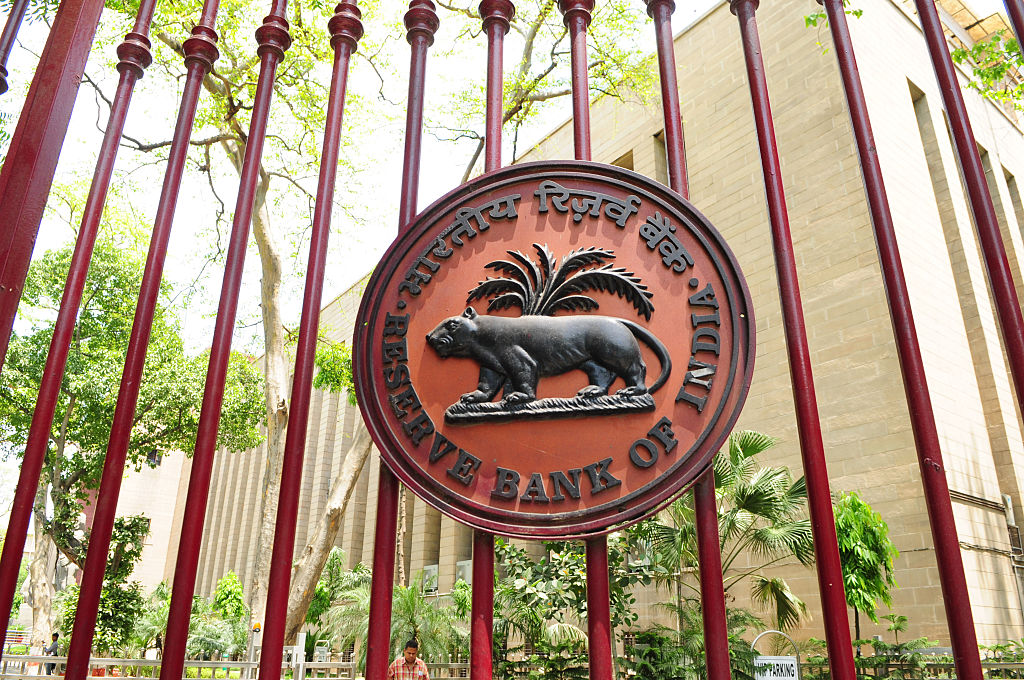
The Reserve Bank of India (RBI) has released updated guidelines for the Liquidity Coverage Ratio (LCR), introducing key changes that will take effect from April 1, 2026. The revisions are aimed at strengthening the liquidity resilience of Indian banks and bringing domestic regulations in line with global standards.
As per the new guidelines, banks will be required to assign an additional run-off rate of 2.5 per cent to deposits made through internet and mobile banking channels by retail and small business customers.
In another major change, banks must now apply haircuts to the market value of Government Securities (classified as Level 1 High-Quality Liquid Assets or HQLA), in accordance with margin requirements under the Liquidity Adjustment Facility (LAF) and the Marginal Standing Facility (MSF).
The RBI has also rationalised the run-off rates for wholesale funding sourced from “other legal entities.” Under the revised norms, funds from non-financial entities such as educational, charitable and religious trusts, as well as partnerships and LLPs, will now attract a lower run-off rate of 40 per cent, compared to the current 100 per cent.
“To give banks adequate time to transition their systems to the new standards for LCR computation, the revised instructions shall become applicable from April 1, 2026,” the central bank said in its statement.
An impact analysis based on data as of December 31, 2024, indicates that these changes are expected to improve the aggregate LCR of banks by approximately 6 percentage points. The RBI noted that all banks are projected to continue meeting the minimum regulatory LCR requirements comfortably.
“These measures are expected to enhance the liquidity resilience of banks in India while aligning the regulatory framework more closely with global practices in a non-disruptive manner,” the RBI said.
The final guidelines follow a draft circular issued on July 25, 2024, which proposed amendments to the LCR framework, including changes to haircuts on HQLA and run-off rates for specific deposit categories. The final version reflects the feedback received from banks and other stakeholders during the consultation period.
The Liquidity Coverage Ratio is a key regulatory requirement under the Basel III framework. It mandates that banks maintain a sufficient stock of High Quality Liquid Assets to cover their total net cash outflows for a 30-day stress period.
— IANS