






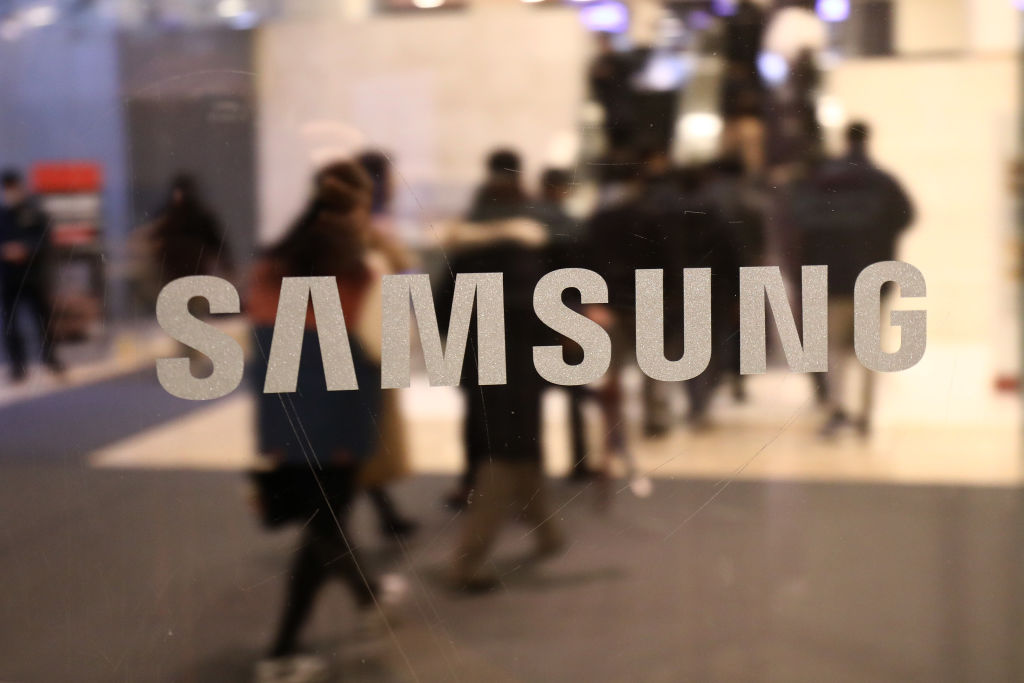
Tech giant Samsung Electronics may need to overhaul its global production strategy as new U.S. reciprocal tariffs could significantly impact its smartphone business, industry sources said on Sunday.
Last week, U.S. President Donald Trump announced plans to impose a minimum 10 percent “baseline” tariff on all imports to the United States, along with country-specific “reciprocal” tariffs, including a 25 percent duty on goods from South Korea.
The reciprocal tariffs—covering most product categories except for items such as vehicles, semiconductors, and pharmaceuticals—are set to take effect from Wednesday (U.S. time), according to Yonhap news agency.
Experts and industry analysts noted that Samsung Electronics will need to adapt to the U.S. tariff policy by leveraging its strategy of diversifying production bases.
Samsung Electronics, the world’s largest smartphone maker, currently produces about half of its smartphones in Vietnam, which now faces a 46 percent reciprocal tariff on goods entering the U.S. The remainder of its smartphone production is spread across India, Brazil, Indonesia, and South Korea.
India faces a 26 percent tariff, South Korea 25 percent, and Brazil just 10 percent—making Brazil a potentially attractive hub for serving the U.S. market.
Sources suggest Samsung may consider ramping up production in India, Brazil, and South Korea, particularly for premium models intended for American consumers.
Brazil, in particular, stands out due to its low tariffs and geographic proximity to the U.S., they added.
The company is expected to reassess its production strategy ahead of the summer launch of its next-generation foldable smartphones, but for now, it is proceeding cautiously.
“Nothing has been decided yet,” said an official from Samsung Electronics.
South Korea’s economy is likely to face headwinds as the U.S. administration’s reciprocal tariffs may severely impact the country’s exports to the United States, while also disrupting the global market—potentially dealing a further blow to South Korean trade, local experts warned.
They expressed serious concerns for South Korea’s export-dependent economy, especially as the Trump administration continues to implement protectionist trade policies, including 25 percent tariffs on all steel and aluminum imports, as well as similarly high duties on foreign-made cars.
IANS